People often ask how long Botox lasts, then whisper a second question: is it me, or did mine fade faster this time? Both are fair. The average result from cosmetic botox injections sits in the 3 to 4 month range for most faces and treatment areas. Yet I routinely see patients whose results hold beautifully for 5 months, and others who feel movement creeping back at 8 to 10 weeks. Biology, technique, and daily habits all pull on the same rope. Understanding those forces helps you plan a botox appointment cadence that fits your life and your budget, and it reduces the trial and error that frustrates many first-time patients.
Below, I will unpack how botulinum toxin works at the cellular level, which variables you can influence, and which you cannot. I will also share practical adjustments I’ve used in clinic to help patients get more predictable, natural looking botox results over time.
What “lasting” really means with botulinum toxin
Botox therapy works by blocking acetylcholine release at the neuromuscular junction. In plain terms, it prevents the nerve signal from telling a specific muscle fiber to contract. It does not “freeze” the muscle forever. The body steadily rebuilds the communication machinery through a process of synaptic sprouting and receptor turnover. That is why botox longevity is, by design, temporary.
Onset is not instant. Most people feel a softening at 3 to 5 days, with full effect at 10 to 14 days. Duration varies by muscle group and dose. Smaller, more active muscles such as the orbicularis oculi around the eyes generally wear off sooner than the frontalis in the forehead. Light-touch “baby botox” for subtle motion preserves expression but tends to wear off sooner than a full-dose wrinkle botox plan. If you are gauging your own botox longevity, start your mental clock at the two-week mark, not the day of injection.
The metabolism myth, and the part that is true
Patients often blame “fast metabolism” when botox fades early. Metabolism is a catch-all word, but the relevant parts are a bit narrower. The toxin effect ends when new nerve terminals reconnect to the muscle, not because your liver “cleared it” faster after injection. That regeneration pace is influenced by nerve growth dynamics, muscle activity, and individual differences in neuromuscular plasticity. People who build muscle easily, who are highly expressive, or who engage those treated muscles vigorously all day often see a shorter window of botox effectiveness.
That does not mean you should flatten your face. It does suggest that expression habits, especially unconscious ones like squinting or lifting the brows while reading, matter. When we counsel patients on how long botox lasts, we include education about expression hygiene during the first two weeks, when new patterns are easiest to form.
Dose, dilution, and the art of distribution
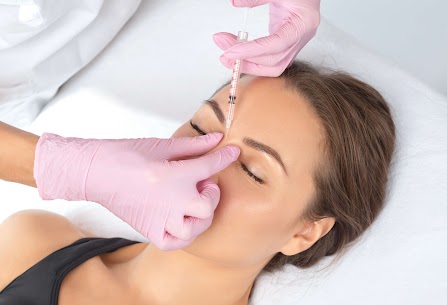
Technique matters. The same total units can behave differently depending on how a certified botox injector places them. Here is what I look at during a botox consultation:
- Dose per point and spread. A tiny droplet placed superficially at an appropriate distance can cover a wide swath of motor end plates. Too few points or too deep a placement reduces coverage and leads to early “escape” at the edges. Muscle mapping. People do not read textbooks. One person’s frontalis can be broad and flat, another’s narrow with strong lateral fibers. Matching the map to the dose improves botox longevity. Dilution and product handling. Proper reconstitution, gentle handling, and timely use matter. Botulinum toxin is protein-based. Rough shaking or long delays after mixing can degrade potency. A professional botox injections protocol should be consistent every time. Respect for balance. Over-treating the central forehead and under-treating the lateral frontalis invites quick breakdown as the untreated segments compensate.
If your botox results are short-lived, ask your botox provider to walk through your injection plan. A minor adjustment to the botox dosage and placement can add weeks.
The lifestyle levers that move the needle
You cannot control nerve regeneration speed in a lab, but several habits shift the odds in your favor. The biggest levers I see clinically are sleep, stress, exercise intensity around the injection window, UV exposure, and skincare.
Sleep quality and stress hormones sit at the top. Elevated cortisol and fragmented sleep correlate with increased muscle tension and repetitive micro-movements. The number of times you squint, frown, and lift brows in a day adds up, especially early after a botox session. Patients who prioritize 7 to 9 hours of consistent, good-quality sleep tend to report a smoother onset and a more even fade.
Exercise is nuanced. You do not need to pause your fitness routine for months. Still, the first 24 hours after botox injections are not the moment for hot yoga, a max-effort interval run, or heavy lifting. Increased circulation and body heat might promote diffusion into adjacent muscles immediately post-injection, and intense facial engagement can counteract the early settling. After a day, normal workouts are fine, but during the first week, reduce activities that rely on animated facial effort, like shouting-coach workouts or squint-heavy outdoor training without sunglasses.
Sun and UV exposure alter skin quality more than they alter the toxin itself, but they indirectly impact perceived botox longevity. Photodamage deepens etched lines, so even with muscles relaxed, residual creases can make results look “faded” earlier. Consistent use of a broad-spectrum sunscreen, sunglasses, and a hat protects the gains you paid for. If you are on a beach holiday right after treatment, consider scheduling your botox appointment for a week prior and pack wraparound shades.
Skincare matters at the surface. Medical grade botox softens dynamic wrinkles. It does not resurface the skin. Retinoids, peptides, and a steady moisturizing routine improve the scaffold so lines look softer even as the toxin wears off. When I pair cosmetic botox with a simple nightly retinoid and daytime vitamin C plus SPF, patients consistently feel their results look better longer because the skin texture cooperates.
The influence of age, sex, and muscle anatomy
Age cuts both ways. Younger patients with preventive botox or baby botox often see results last on the shorter side because dose is intentionally light. On the flip side, their lines respond quickly and stay shallow. Mature patients who have deeper, static lines may need more units to quiet strong muscles, which can lengthen duration. However, those etched lines in the dermis still require skin-directed treatments to fully smooth out.
Sex differences show up most in the upper face. Men tend to have larger, denser frontalis and corrugators. They generally need higher doses for the same effect, which can translate to equal or longer longevity compared with a lower-dose plan that under-treats. If you are a man who felt your frown line botox faded fast, the most likely fix is not more frequent visits but an appropriate starting dose and a map built for your anatomy.
Muscle thickness and insertion patterns vary widely. High lateral brows, strong orbicularis at the crow’s feet, or an asymmetric corrugator can create pockets that “wake up” sooner. Precision botox injection process planning with a specialist makes a difference. I mark patients sitting up, under bright light, and ask for natural expressions to watch the exact fibers engage. That 2-minute step often adds weeks to botox longevity.
Repeat treatments and the cadence that works
People worry that frequent botox maintenance will make them dependent. The muscle does not become addicted. What does change, with consistent treatment at the right intervals, is that the muscle often deconditions slightly. Over 1 to 2 years, many patients need the same units less often to keep similar smoothness, because the habitual frown or brow lift isn’t as strong. Spacing repeat botox treatments at 12 to 16 weeks is a common rhythm. Some stretch to 5 to 6 months for the forehead if they started with higher doses and have calm baseline expression.
Trying to push a tiny top-up at 6 weeks usually offers minimal benefit. The receptors are already saturated, and the effect curve is peaking. A thoughtful botox touch up at 2 to 3 weeks can correct a missed area or an imbalance. Past that window, save your budget for the next full treatment.
Exercise intensity, body composition, and Botox: what I’ve seen
Endurance athletes and high-intensity trainers often point to their training as a reason their botox faded fast. The truth is mixed. I treat marathoners who hold results for a full 4 months, and casual exercisers who fade at 10 weeks. The difference is less about VO2 max and more about facial muscle recruitment during and outside workouts. The runner who wears good sunglasses, hydrates, and avoids grimacing keeps results longer than the desk worker who squints at a laptop all day.
Body composition has a small, indirect influence. People with very low body fat and high muscle definition sometimes botox Ashburn VA show more pronounced facial movement and sharper lines, so they notice return of function sooner. That returns us to dose and mapping. When I dial the units to match the muscle strength, the gap between athletic and non-athletic patients narrows.
Alcohol, smoking, and other quiet saboteurs
Alcohol causes transient vasodilation and dehydration. A glass of wine the night of your botox appointment will not erase your results, but heavy drinking around the injection window can increase bruising risk and, for some patients, seems to coincide with patchy results. Nicotine is tougher on longevity. Smoking impairs microcirculation and collagen quality. Even with effective botox wrinkle smoothing, skin etched by smoking looks creased earlier, creating the impression of a shorter result. I raise this gently, but it is hard to outrun cigarettes with injectables.
Certain supplements and medications increase bruising risks, not longevity per se. Still, a big bruise can alter how even the result looks in the first two weeks, which sets expectations poorly. If safe for you, pause high-dose fish oil, ginkgo, and non-essential NSAIDs a few days before your botox session after checking with your primary clinician. This is part of a safe botox treatment plan rather than a longevity trick, but a clean heal supports a clean result.
Product choice: Botox, Dysport, Xeomin, Daxxify, and what really differs
Many patients ask whether switching to a different botulinum toxin brand will make results last longer. The FDA-approved options for facial botox include onabotulinumtoxinA (Botox Cosmetic), abobotulinumtoxinA (Dysport), and incobotulinumtoxinA (Xeomin). DaxibotulinumtoxinA (Daxxify) is newer and, in studies, has shown a longer average duration for some areas. Real-world outcomes are nuanced.
Botox and Dysport have similar performance when doses are matched by potency, though Dysport can diffuse a bit more, which can be helpful for broad areas like crow’s feet and a drawback near delicate borders if technique is sloppy. Xeomin lacks accessory proteins, which some clinicians prefer for patients who have had many botulinum toxin injections and worry about antibody development. Daxxify appears to hold longer in a portion of patients, but comes at a higher botox price point and may not be necessary for everyone.
The biggest predictor of your botox effectiveness remains correct dosing and precise placement by a trusted botox specialist. If your clinic offers multiple products, a professional botox injections consult can guide which suits your anatomy and goals.
Antibodies, resistance, and when to consider a switch
True resistance to botulinum toxin caused by neutralizing antibodies is rare in aesthetic practice, but it exists. Risk rises with very high doses at frequent intervals, more typical in medical botox for conditions like cervical dystonia or spasticity. In cosmetic botox care, we use lower units and longer intervals, so the risk stays low. If you notice a sudden, marked drop in response across all areas despite appropriate dosing and technique, it is worth discussing a product switch or a longer interval. Xeomin’s lack of complexing proteins is the usual first move.
Before calling it resistance, rule out under-dosing, poorly placed injections, unusually strong muscles, or early activity that caused diffusion. Objective before-and-after photos at 2 weeks, with standardized lighting and expressions, help keep this conversation grounded.
The money question: cost, value, and planning your calendar
Botox cost varies widely by city, clinic, and injector expertise. Some practices charge per unit, others by area. While affordable botox and botox deals can be appealing, the cheapest option can cost more if you need frequent repeats or corrections. A top rated botox provider who maps carefully, adjusts units to your muscle strength, and schedules the right follow-up saves both time and money over a year.
Most of my patients set a 3 to 4 month botox appointment cadence for the upper face. If your budget calls for prioritization, the frown complex (glabella) usually offers the highest “calm” per dollar because it softens the angry or tired look. The forehead and crow’s feet follow based on your expressions and photo habits. Booking the next botox session before you leave the clinic reduces the “oops, I forgot” gap that can unravel the deconditioning benefit.
Area-by-area expectations: forehead, frown lines, and crow’s feet
Forehead botox tends to last 3 to 5 months when balanced with the glabella. The frontalis is a lifting muscle. Over-treating it drops brows. Under-treating lets lines return quickly as the frown complex pushes downward and the forehead compensates by lifting. Balancing both areas boosts longevity and preserves shape.
Frown line botox in the glabella usually lasts solidly at 3 to 4 months, sometimes more with adequate dosing. Many patients unknowingly recruit this area while concentrating. Simple habit changes help, like keeping your screen at eye level and using ambient light that reduces squinting.
Crow feet botox runs 2.5 to 4 months on average. The orbicularis is thin and active with smiling, blinking, and squinting. Sunglasses and sunscreen give you free mileage. If you smile big in photos often, expect a shorter window here than in the frown or forehead.
Skin quality and the illusion of fade
Static lines carved into the dermis can persist even with perfect muscle relaxation. That can make a great result look like it has worn off when movement returns slowly. I pair facial botox with skin-directed options to convert dynamic improvements into visible smoothness.
Retinoids and peels tackle texture. Microneedling and light resurfacing address etched lines. For deeper grooves, a tiny strip of soft hyaluronic acid filler can lift a stubborn crease to meet relaxed muscle, especially between the brows or in the lateral canthus. None of this replaces botox; it supports it so the face keeps the same rested look across the full cycle.
Recovery, aftercare, and small habits that add weeks
Immediate aftercare is simple. Avoid lying flat for a few hours, skip strenuous exercise for the rest of the day, hold off on saunas and very hot showers for 24 hours, and do not massage the injected areas unless your injector instructs otherwise. Makeup is fine after a few hours with clean hands and gentle strokes along, not across, the injection points.

I also suggest “expression breaks” during the first week. If you catch yourself frowning at the screen or squinting at your phone, pause and reset. Consider increasing font sizes and improving task lighting. These tiny changes reduce repetitive motion during the period when the toxin is taking hold, improving the quality and evenness of your botox results.
When subtlety is the point: baby botox and preventive approaches
Preventive botox in younger patients uses small, well-placed doses to dampen the strongest lines before they etch. Expect slightly shorter longevity, often closer to 2.5 to 3.5 months, in exchange for preserved expression and a very natural finish. The maintenance burden is lighter than it sounds, because less product and fewer points mean quick appointments and minimal downtime. Photographing your face in neutral and with exaggerated expression every few months helps you and your injector track the arc of your preventive plan.
Baby botox also works for patients in creative or high-communication roles who need expressive range on camera. If you are on stage or on Zoom daily, consider a conservative map to soften only the lines that distract. Longevity might be shorter, but control is better, and touch-ups can be targeted and affordable.
Safety and side notes you should know
Botox safety, in the hands of a trained clinician, is well established. Common side effects include minor bruising, a small bump at injection sites that settles within an hour, and a transient headache in a minority of patients. Rare risks include eyelid or brow ptosis, most often from product migration or poorly placed injections. This usually resolves as the effect fades. Following aftercare and choosing a trusted botox clinic help avoid these pitfalls.
Patients with certain neuromuscular disorders, active skin infections at the injection site, or who are pregnant or breastfeeding should defer treatment. Always share your full medical history and medication list at the botox consultation, including supplements and recent dental or facial procedures.
A practical playbook for longer-lasting, natural results
- Choose a certified botox injector who maps your muscles while you animate and uses consistent product handling. Technique is the foundation of botox longevity. Protect the first 24 hours: no strenuous workouts, saunas, or face-down massage. Wear sunglasses outdoors and practice “expression hygiene” for the first week. Align dose with muscle strength. Ask your injector how many units are going where and why. Adjustments of 2 to 6 units in key spots can add weeks. Support the canvas. Use daily SPF, a retinoid at night if tolerated, and consider pairing botox with light skin treatments to improve the look of lines as movement returns. Keep a steady cadence. Photograph results at 2 weeks, then monthly. Schedule repeat botox treatments at 12 to 16 weeks based on those photos, not guesswork.
What to discuss at your next botox appointment
Bring your lived experience to the chair. Tell your botox specialist which expressions returned first, what you do for work, how you sleep, and how you move. If your crow’s feet woke up early but your glabella stayed calm, that points to a dose or mapping tweak laterally. If your forehead felt heavy early on, your injector can reduce frontalis units and rebalance with the frown complex. If budget is your constraint, prioritize the area that changes your resting expression the most, then add zones gradually.
Pricing should be transparent. Whether you prefer per-unit or per-area billing, you should know the botox cost before the syringe comes out. Ask about the expected botox longevity for your map and how the clinic handles touch-ups at 2 weeks if an area underperforms. Affordable botox is not about cutting corners. It is about precision, planning, and a cooperative maintenance plan that you can sustain.
A brief note on medical botox versus cosmetic use
Medical botox targets conditions like chronic migraine, hyperhidrosis, or jaw clenching from bruxism. Dosing is higher, muscles are different, and longevity can diverge from cosmetic patterns. For example, masseter botox for jawline slimming or bruxism often lasts 4 to 6 months because those muscles are large and changes in chewing habits occur as the muscle reduces. Migraine protocols follow fixed maps and intervals. If you receive medical grade botox for a condition, let your cosmetic injector know your schedule and product history so both plans work together.
The realistic ceiling for how long botox can last
For most people, natural looking botox in the upper face lasts 3 to 4 months, with a spread from 8 to 16 weeks based on dose, anatomy, and habits. With fine-tuned mapping, thoughtful aftercare, and steady routines, many patients land at the higher end of that range. Some products and areas can stretch further, but the goal is durable, believable expression control, not immobility.
The payoff is quiet but tangible: colleagues stop asking if you are tired, your forehead lines iron out in photos, and the late afternoon frown softens. When your plan is right, you do not think about your botox every day. You simply feel like the best-edited version of your own face.
If you are starting out, book a botox consultation near me with a provider who welcomes questions, uses photography to track progress, and explains choices plainly. If you are refining an existing routine, bring your timeline and photos to your next botox injection appointment. With the right partnership, your botox longevity becomes predictable, your results look subtle and trusted, and maintenance fits smoothly into your calendar.